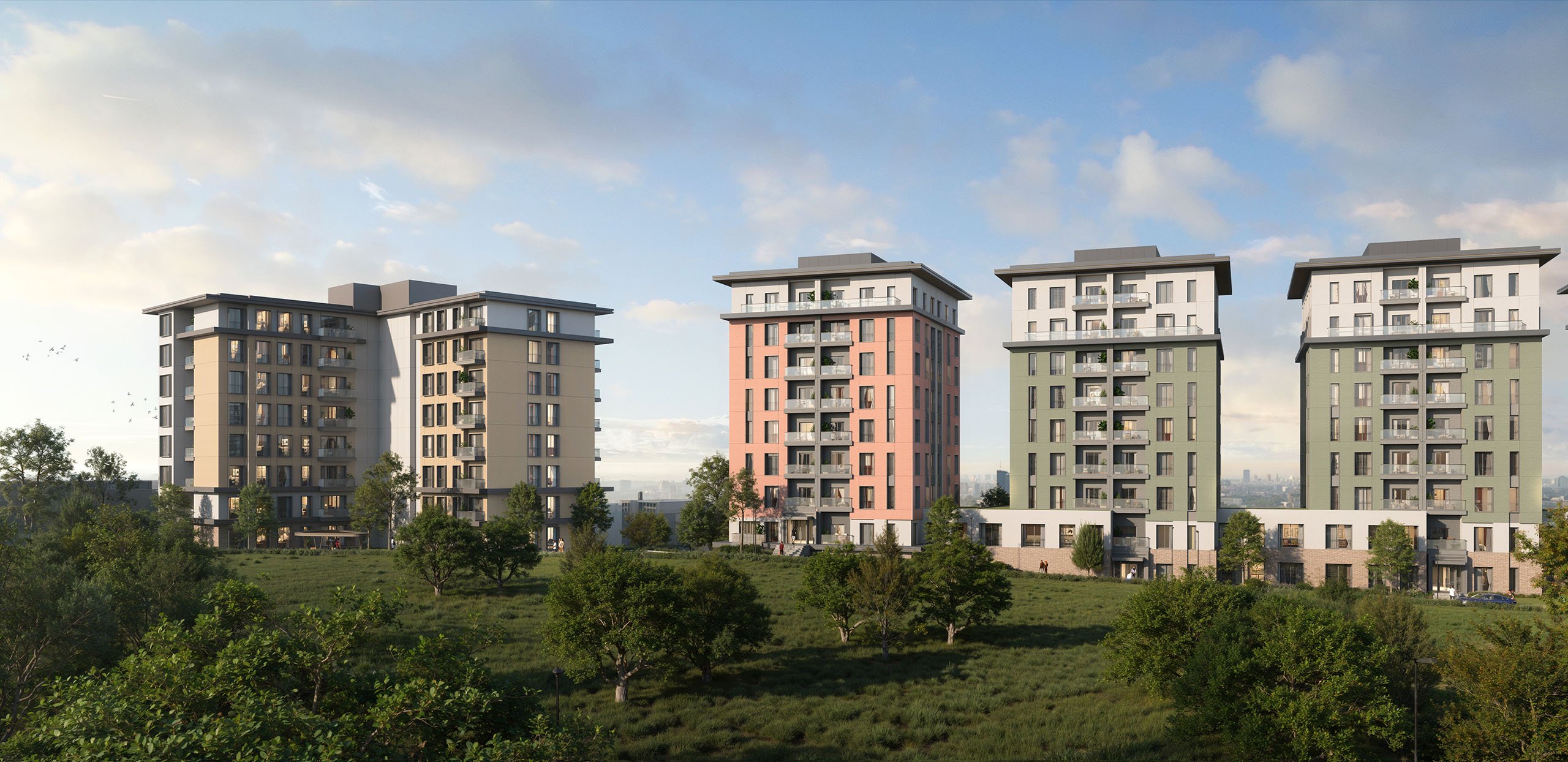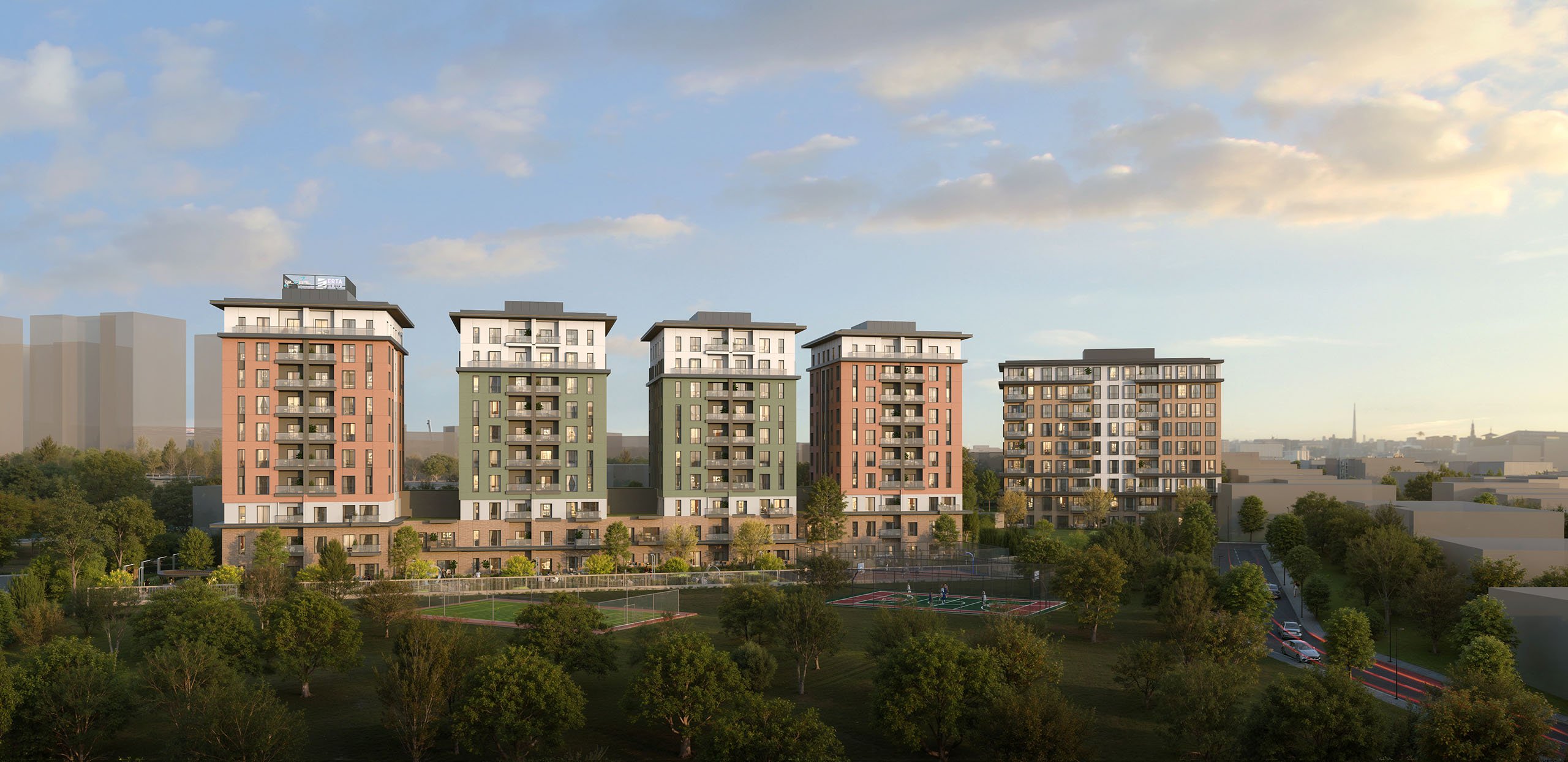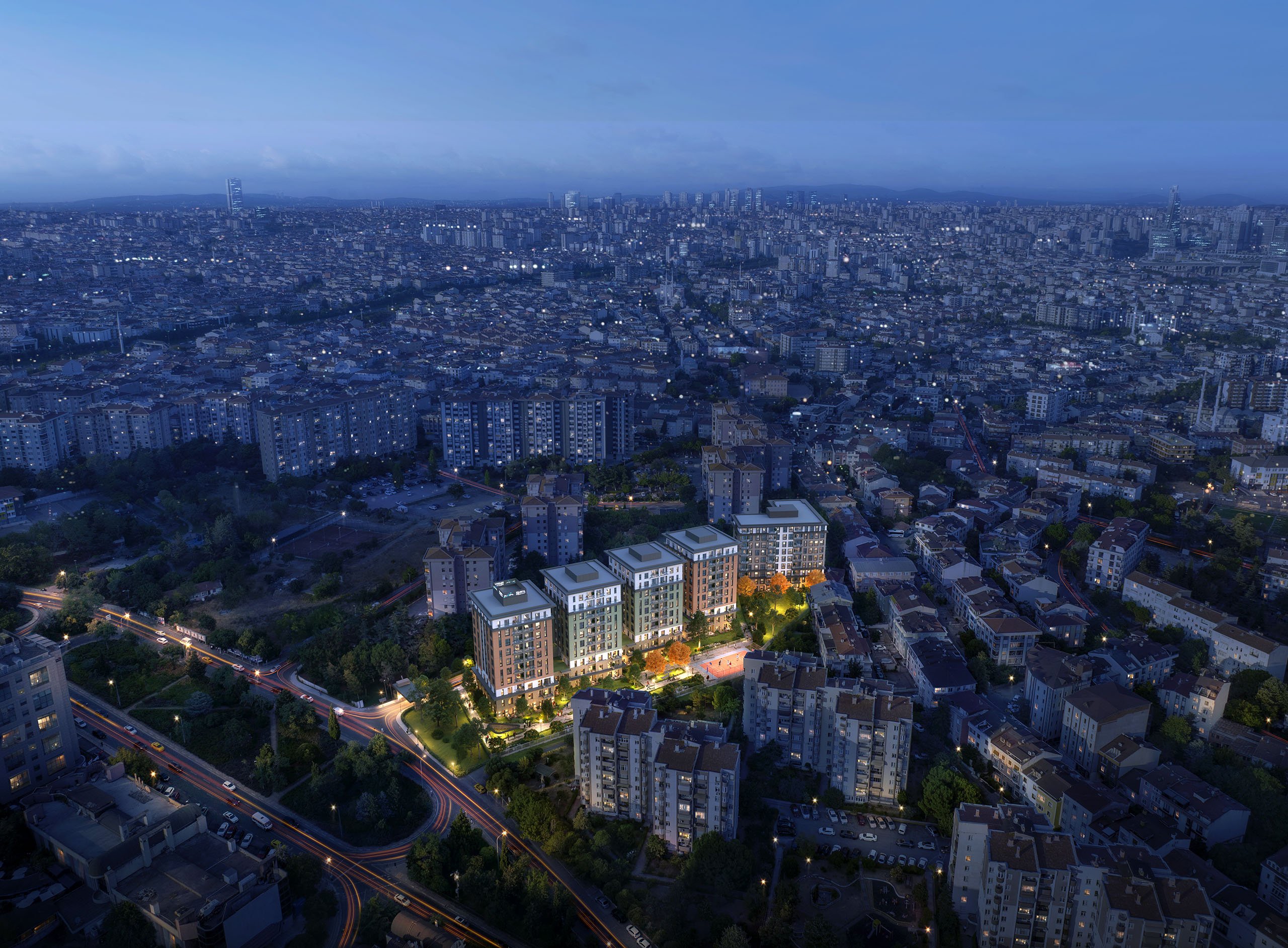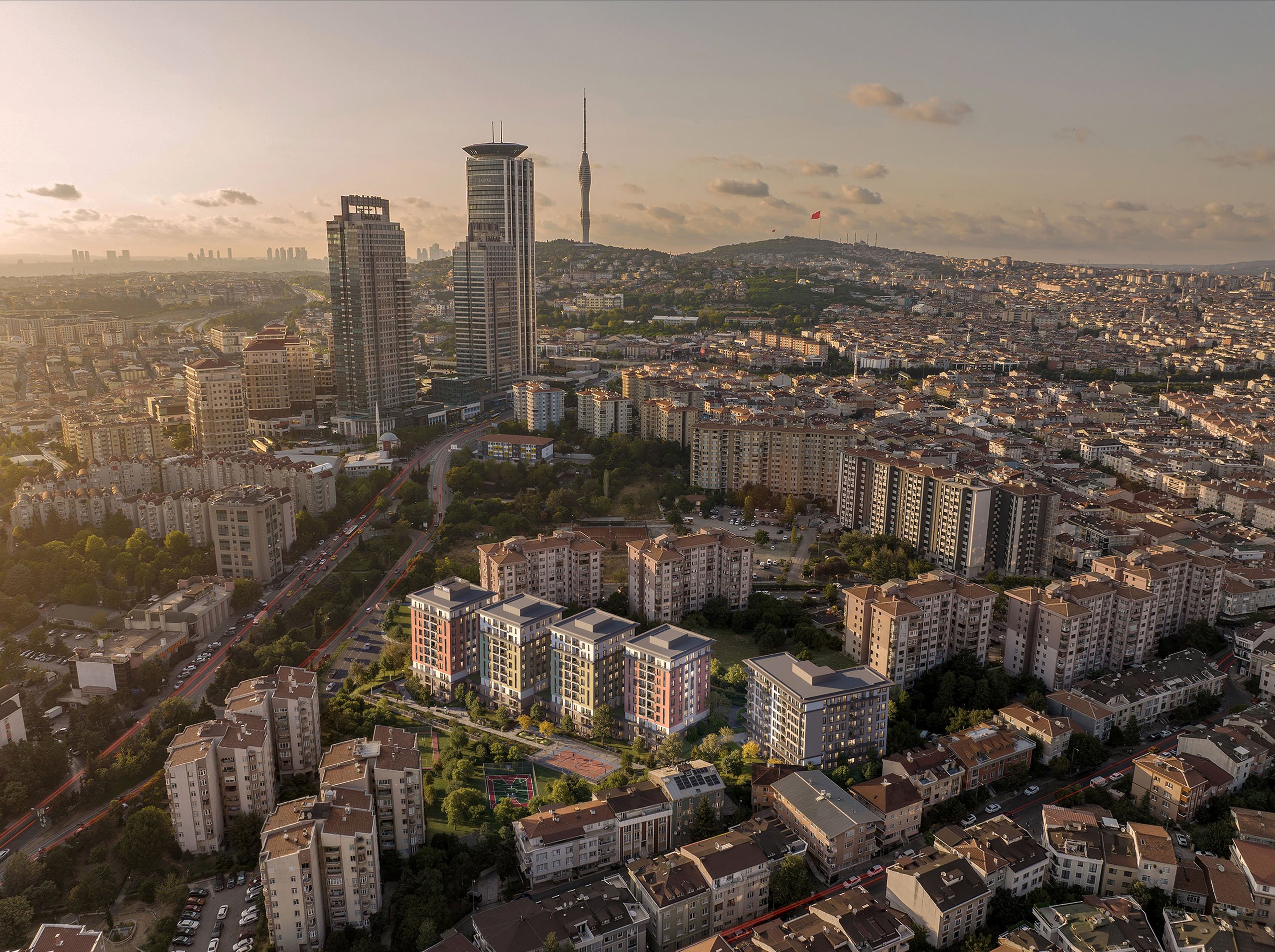
Located at the intersection of two established centers, Üsküdar and Kadıköy, in Istanbul's Asian side, Çamlıca Site redefines the region's urban transformation potential with a modern architectural vision. Designed by TRIO Architects, the project is not merely a physical renovation; it is a comprehensive urban improvement initiative that focuses on critical elements such as public space continuity, social amenities, and resilience to disaster risks. This transitional location combines the city's dynamic structure with a quality lifestyle, offering a model that adds value to its surroundings.
One of the project's most significant advantages is its strong integration with Istanbul's main transportation arteries and public transportation network. In addition to its proximity to the D-100 (E-5) Highway and TEM access roads, it provides seamless access between both sides of the city thanks to the Uzunçayır Metrobus Station, Ünalan Metro Station, and Göztepe Marmaray line. This transportation-focused development strategy, combined with its walking distance to education, healthcare, and commercial areas, promises residents a traffic-free, comfortable, and sustainable daily life scenario.
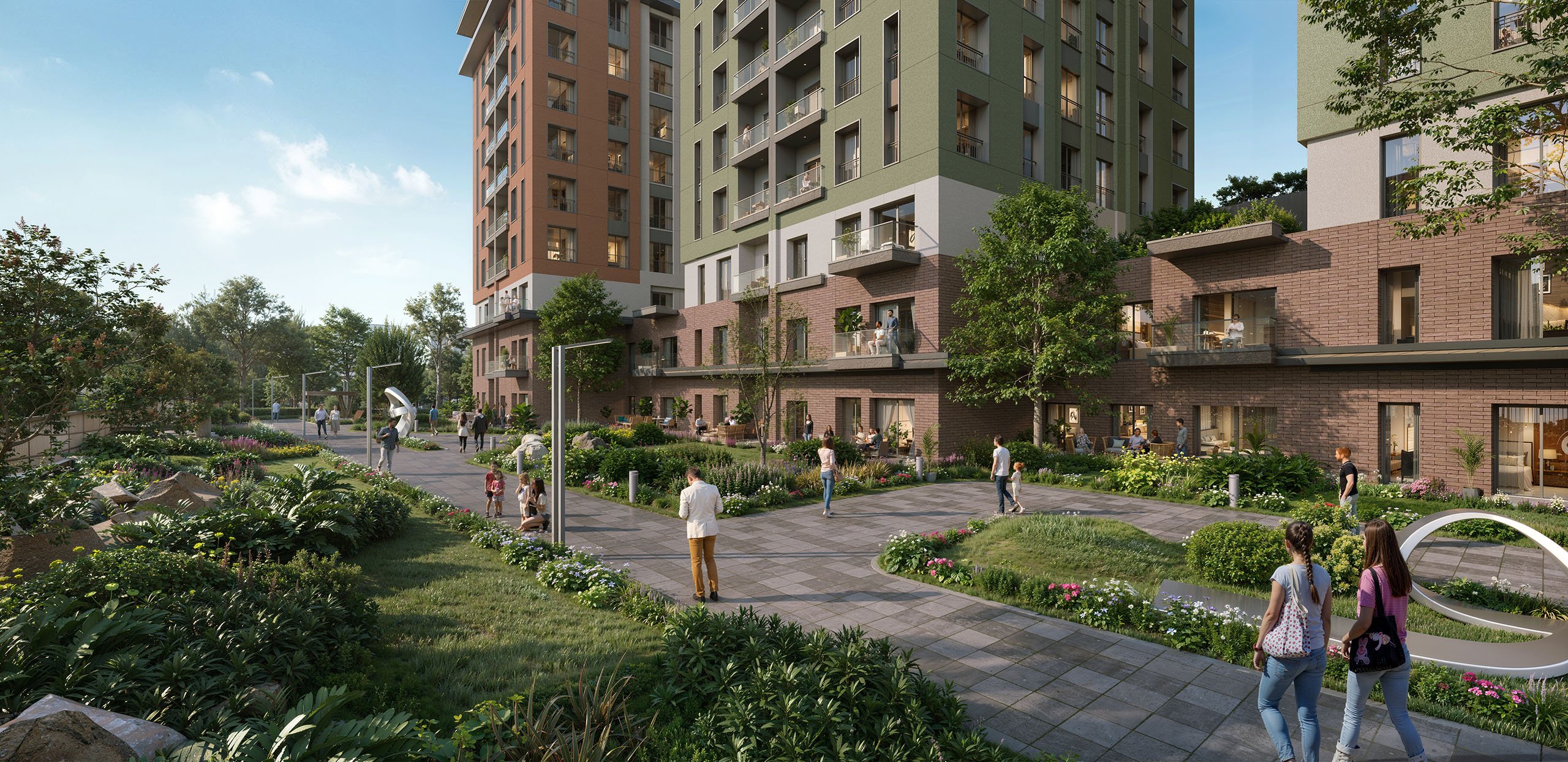
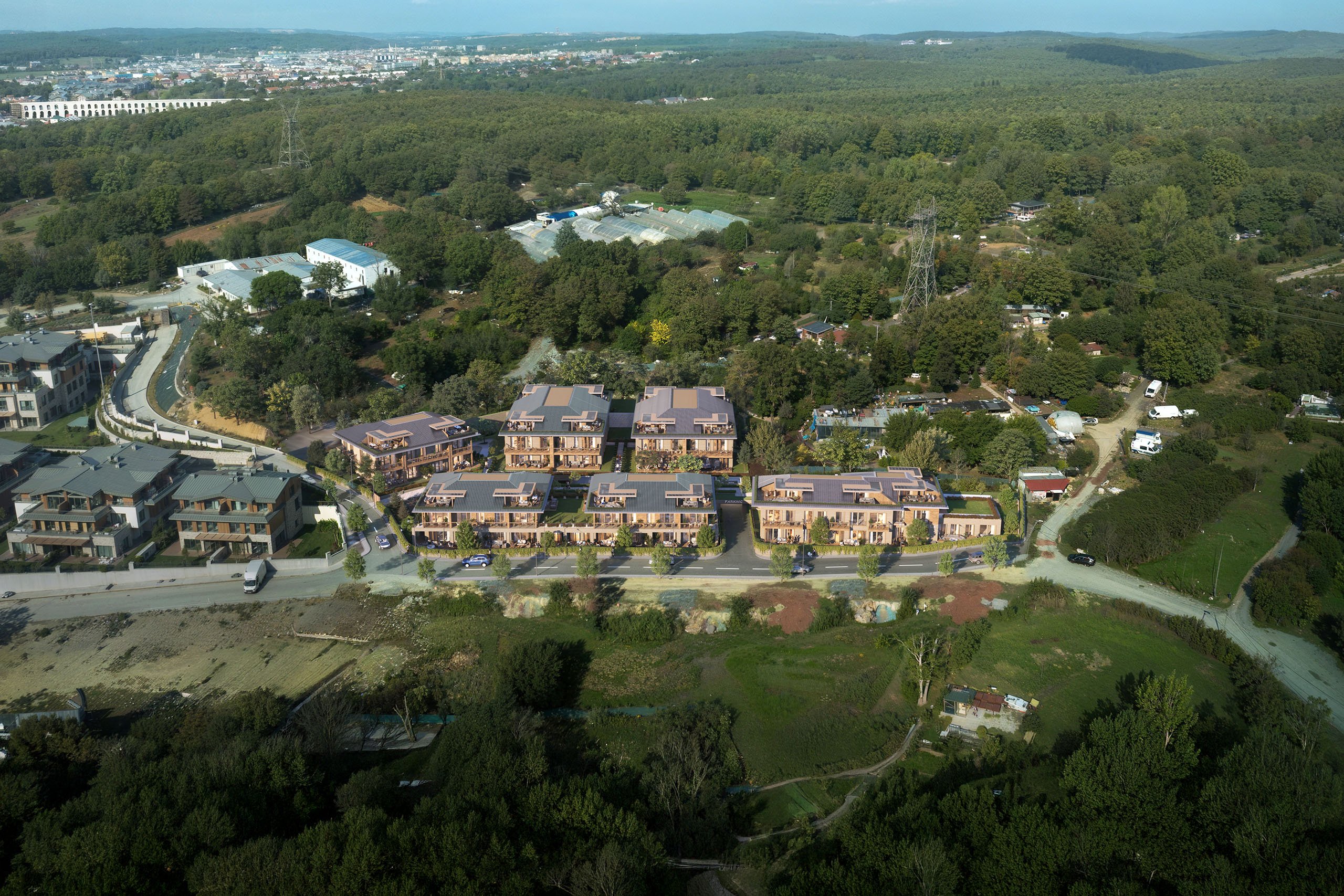
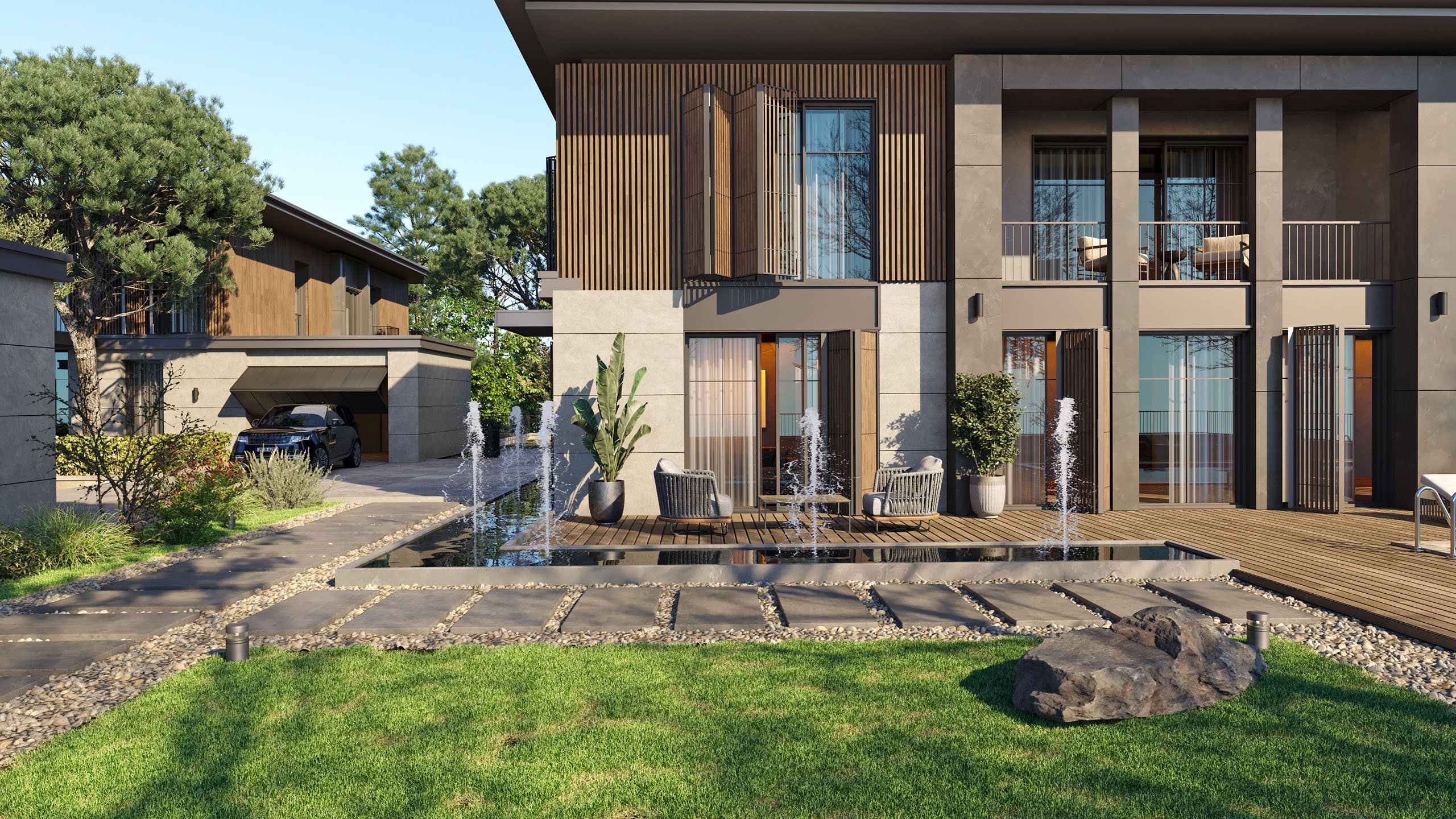
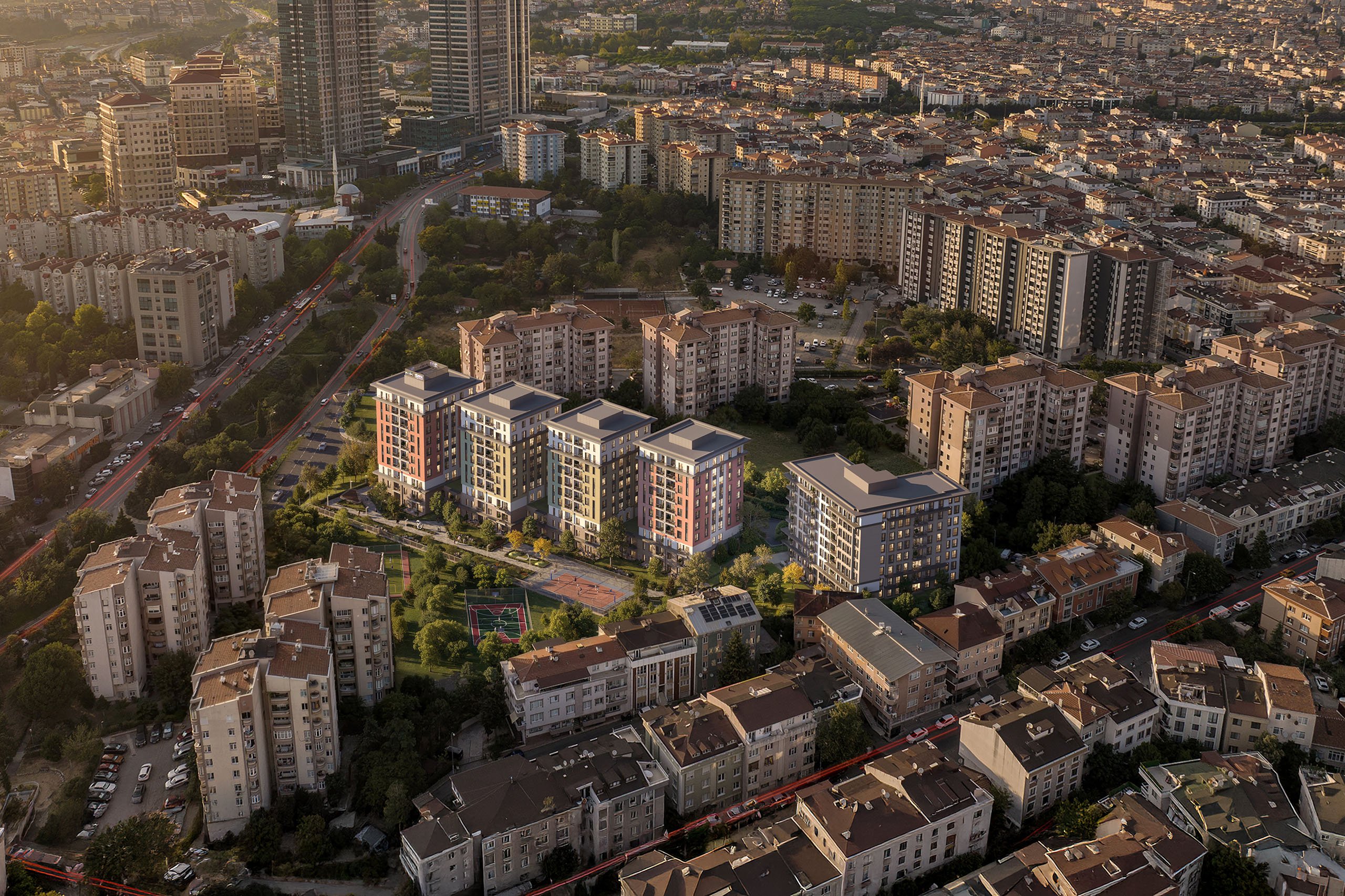
Çamlıca Site embraces the philosophy of “living in harmony with nature” in architecture, creating a continuous ecological network in its building layout and landscape design. The layout plan, shaped by detailed transportation, climate, and topography analyses, creates a visual balance by orienting apartment facades toward green spaces and views. Courtyards and park areas, central to the design, create breathing spaces between buildings while aiming to maximize users' contact with nature.
Common areas that encourage social interaction are among the most important elements supporting the project's collective living culture. Park squares and inviting meeting points are designed to be a center of attraction not only for site residents but also in terms of the social bonds established with the surrounding area. The Çamlıca Site project offers qualified solutions to modern housing needs while demonstrating a visionary architectural stance that addresses social infrastructure deficiencies and enhances the quality of life on a regional scale.